
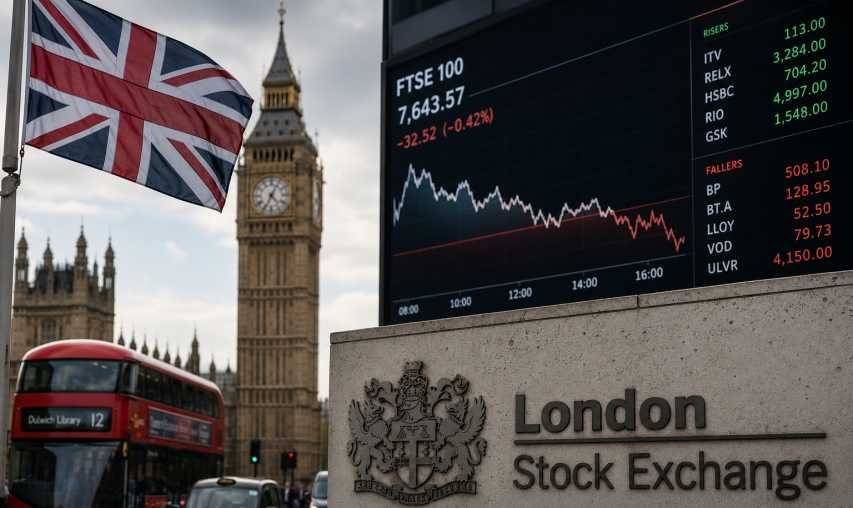

Private Markets vs Public Markets: Investment trends come and go, but one debate has become increasingly important among wealth managers, pension funds, and individual investors alike: should more capital be allocated to private markets or public markets?
The question has gained attention because private assets have grown significantly over the past two decades. Private equity firms manage trillions of dollars globally, infrastructure funds continue to attract institutional capital, and private credit has become a major source of financing for businesses. At the same time, public markets remain the foundation of most retirement accounts, investment portfolios, and pension plans.
For investors, understanding the differences between these two markets is no longer just an academic exercise. It can influence portfolio construction, liquidity planning, risk management, and long-term wealth creation.
The reality is that neither market is inherently superior. Each offers distinct advantages, challenges, and opportunities. The key is understanding how they fit into a broader investment strategy.
Understanding Public Markets
Public markets are where investors buy and sell securities through regulated exchanges. Shares of listed companies, government bonds, corporate bonds, exchange-traded funds (ETFs), and investment trusts all fall into this category.
For most investors, public markets provide the easiest route to building wealth over time. Opening an investment account and purchasing a diversified fund can often be done in minutes.
One of the most significant advantages of public markets is liquidity. Investors can generally sell holdings quickly during market hours and access their capital without lengthy delays.
Transparency is another major benefit. Publicly traded companies are required to publish financial statements, annual reports, and regulatory disclosures. Investors have access to a steady flow of information that helps them evaluate performance and risk.
Public markets also tend to be more cost-efficient. Low-cost index funds and ETFs have reduced investment expenses considerably, making diversification accessible to a wider range of investors.
Understanding Private Markets
Private markets operate differently. Instead of buying securities on an exchange, investors commit capital directly to private businesses, projects, or investment funds.
Examples of private market investments include:
- Private equity
- Venture capital
- Private credit
- Infrastructure funds
- Private real estate investments
These investments are generally less liquid than public market assets. Capital may remain invested for several years before investors can access returns or withdraw funds.
Private markets have traditionally been dominated by pension funds, insurance companies, endowments, sovereign wealth funds, and family offices. Although access has expanded in recent years, many private investments still require larger minimum commitments and longer investment horizons.
Why Private Markets Have Grown
The growth of private markets is one of the most significant developments in modern investing. Many businesses now remain private for longer periods before pursuing public listings. This means a larger portion of a company’s growth may occur before shares become available on stock exchanges.
Institutional investors have also increased allocations to private assets in pursuit of diversification. Infrastructure projects, private credit strategies, and private businesses often behave differently from publicly traded stocks and bonds, potentially providing additional sources of return.
Private credit has become particularly popular in recent years. Rather than relying exclusively on traditional banks, many businesses now borrow directly from private lenders and investment funds.
At the same time, infrastructure investment continues to attract capital due to growing demand for renewable energy projects, transportation networks, digital infrastructure, and data centres.
Market Analysis: How Institutions Allocate Capital
Industry reports from pension funds, endowments, and investment consultants show that institutional investors often combine public and private assets rather than choosing one over the other.
The table below illustrates common allocation patterns used for educational purposes.
| Investor Type | Public Assets | Private Assets |
|---|---|---|
| Retail Investor | 80%–100% | 0%–20% |
| Wealth Management Portfolio | 70%–90% | 10%–30% |
| Pension Fund | 50%–75% | 25%–50% |
| Endowment Fund | 40%–70% | 30%–60% |
| Family Office | 40%–70% | 30%–60% |
The pattern is clear. Larger institutions often allocate more capital to private assets because they typically have longer investment horizons and less need for immediate liquidity.
Individual investors, by contrast, frequently prioritize accessibility and flexibility.
Why Liquidity Still Matters
One of the most overlooked aspects of investing is liquidity. During stable market conditions, investors rarely think about how quickly they can access their money. However, liquidity often becomes critically important during periods of economic uncertainty, market stress, or unexpected personal circumstances.
Public market investments generally provide immediate access to capital. Private investments require a different mindset. Investors may need to wait years before receiving distributions or realizing gains. Selling private assets early can be difficult and may result in discounts or additional costs. For this reason, liquidity requirements should always be considered before increasing exposure to private investments.
Expert Perspective: What Investment Professionals Often Emphasize
Investment professionals frequently highlight that successful investing is not about finding a single “best” asset class.
Instead, portfolio construction typically focuses on balancing:
- Growth potential
- Risk management
- Income generation
- Diversification
- Liquidity requirements
This explains why many institutional portfolios maintain significant allocations to both public and private markets. Rather than viewing them as competitors, professional investors often view them as complementary tools that serve different purposes within a portfolio.
Educational Case Study
The following example is hypothetical and provided for educational purposes only. Consider 2 investors with identical £500,000 portfolios.

Investor A: Public Markets Only
Portfolio allocation:
- 70% Global equities
- 20% Bonds
- 10% Cash
Advantages:
- High liquidity
- Lower fees
- Simpler management
Challenges:
- Greater exposure to public market volatility
- Limited access to private assets
Investor B: Mixed Portfolio
Portfolio allocation:
- 50% Global equities
- 15% Bonds
- 10% Cash
- 15% Private equity
- 10% Infrastructure
Advantages:
- Exposure to additional asset classes
- Potential diversification benefits
- Access to private market opportunities
Challenges:
- Reduced liquidity
- Higher complexity
- Potentially higher fees
Neither investor is necessarily making the better choice. The most appropriate strategy depends on personal circumstances, financial goals, and tolerance for risk.
Common Misconceptions About Private Markets
One common misconception is that private investments automatically outperform public markets. While some private investments have delivered strong historical returns, outcomes vary widely depending on the quality of the investment, market conditions, fees, and manager skill.
Another misconception is that private assets are safer because their values do not fluctuate daily. In reality, private assets can experience substantial changes in value. The difference is that valuations are updated less frequently, making volatility less visible.
Finally, some investors assume public markets are only suitable for short-term trading. In practice, public equities have played a significant role in long-term wealth creation for generations of investors.
Risks to Consider
Every investment involves risk.
Public market investors face:
- Market volatility
- Economic downturns
- Interest-rate changes
- Geopolitical events
Private market investors face:
- Illiquidity
- Valuation uncertainty
- Limited transparency
- Manager selection risk
- Long holding periods
Understanding these risks is more important than attempting to predict which market will outperform in any given year.
The Bottom Line
The debate between private and public markets is often presented as a choice between two competing approaches. In reality, most successful investors recognize that both markets can play valuable roles within a diversified portfolio.
Public markets provide liquidity, transparency, accessibility, and cost efficiency. Private markets offer access to businesses, projects, and investment opportunities that may not be available on public exchanges.
For most investors, the goal should not be to choose one market and ignore the other. Instead, it should be to build a portfolio that aligns with personal objectives, financial needs, and long-term investment horizons.
Investment success is rarely determined by following trends. More often, it comes from maintaining a disciplined strategy and staying focused on long-term goals.
Private Markets vs Public Markets- FAQ’s
Are private markets better than public markets?
Not necessarily. Each serves a different purpose. Public markets offer liquidity and transparency, while private markets can provide access to alternative opportunities and diversification.
Why do pension funds invest heavily in private assets?
Many pension funds have long investment horizons and can tolerate lower liquidity in exchange for access to infrastructure, private equity, and private credit opportunities.
Can individual investors access private markets?
Access has expanded in recent years, but many private investments still require higher minimum commitments and may only be available to sophisticated investors.
Should investors use both private and public assets?
Many investors use a combination of both to balance growth potential, diversification, liquidity, and risk management.
Official Sources
- Financial Conduct Authority (FCA)
- Bank of England
- London Stock Exchange
- OECD Financial Markets
- International Monetary Fund (IMF)
- International Organization of Securities Commissions (IOSCO)
- World Bank
Source Methodology
This article was prepared using educational materials and market information published by financial regulators, stock exchanges, central banks, and international financial organizations. It is intended for educational purposes and should not be considered investment advice.
Editorial Review
This content has been reviewed for balance, clarity, and factual accuracy using publicly available information from recognized financial institutions and regulatory organizations.
Disclaimer
Investing involves risk, including the potential loss of capital. Past performance does not guarantee future results. Investors should conduct their own research and consider obtaining professional financial advice before making investment decisions.