
UK savers face a ISA Deadline 2026 to use their full £20,000 ISA allowance by April 5, 2026, which falls on Easter Sunday, prompting urgent warnings from experts. With top cash ISA rates around 4.45-4.68%, delaying risks losing tax-free interest and the allowance entirely, as it doesn’t carry over. The 2025/26 tax year ends at midnight on April 5, 2026 (Easter Sunday), so contributions must be received by then to count. Many providers set earlier cut-offs, like April 1 or 2, due to the holiday weekend, and bank transfers after Thursday, April 2, may not process in time.
What is a Cash ISA?
A Cash ISA is a tax-free savings account for UK residents aged 18 and over. It lets you save up to £20,000 per tax year from April 6 to April 5 without paying income tax or capital gains tax on the interest earned, keeping every penny of growth yours unlike regular savings where tax might apply above your £1,000 Personal Savings Allowance for basic-rate taxpayers.
You pick from easy-access options for anytime withdrawals at variable rates around 4-5%, fixed-rate accounts locking in steady returns for 1-5 years with penalties for early access, or notice accounts needing 30-120 days warning for slightly higher pay. The money is safe up to £85,000 per bank via FSCS protection, and you can split the allowance across Cash ISAs and other types like stocks & shares, but unused portions don’t roll over to the next year so you have to act by April 5 or lose it, especially critical now with Easter holidays closing banks early and rules changing to cut cash limits to £12,000 from 2027 for under-65s.
Who Can Open a Cash ISA?
To open a Cash ISA, you generally must:
- Be aged 18 or over.
- Be a UK resident for tax purposes.
- Or be a Crown employee serving overseas (or their spouse/civil partner).
Always check the provider’s eligibility requirements before applying.
What Is the Cash ISA Allowance?
The ISA allowance is the maximum amount you can contribute to ISAs during a tax year.
For the current tax year, the annual ISA allowance is:
£20,000 per person
This allowance can be used across different ISA products, including:
| ISA Type | Counts Towards Annual ISA Allowance? |
|---|---|
| Cash ISA | Yes |
| Stocks and Shares ISA | Yes |
| Lifetime ISA | Yes |
| Innovative Finance ISA | Yes |
For example, you could place:
- £10,000 into a Cash ISA
- £6,000 into a Stocks and Shares ISA
- £4,000 into a Lifetime ISA
Your total contributions would still remain within the £20,000 annual limit.
Why Do People Choose a Cash ISA?
The biggest advantage is simple: your interest is tax-free.
This can be especially useful for people with larger savings balances or those who want a straightforward, low-risk way to save.
Main Benefits
- Tax-free interest.
- No need to declare ISA interest on a tax return in most situations.
- Flexible savings options.
- Widely available from major UK providers.
- Protection through the Financial Services Compensation Scheme (FSCS) where eligible.
Types of Cash ISA
Not all Cash ISAs work the same way. The right option depends on your savings goals.
Easy Access Cash ISA
An Easy Access Cash ISA allows you to withdraw money whenever you need it.
Best for:
- Emergency savings.
- Short-term goals.
- People who want flexibility.
Fixed Rate Cash ISA
A Fixed Rate Cash ISA locks your money away for a set period, often between one and five years.
In return, you usually receive a guaranteed interest rate for the term.
Best for:
- Long-term savers.
- People who don’t need immediate access to their money.
- Those wanting certainty over returns.
Notice Cash ISA
A Notice Cash ISA requires you to give advance notice before making withdrawals.
Best for:
- Savers seeking a balance between flexibility and higher rates.
How Much Interest Could You Earn?
The amount you earn depends on your balance and interest rate.
Here’s a simple example:
| Savings Balance | Interest Rate | Interest Earned in One Year |
| £5,000 | 4.50% | £225 |
| £10,000 | 4.50% | £450 |
| £20,000 | 4.50% | £900 |
These figures are examples only. Actual rates vary by provider and may change over time.
ISA Deadline 2026: Why Act Now
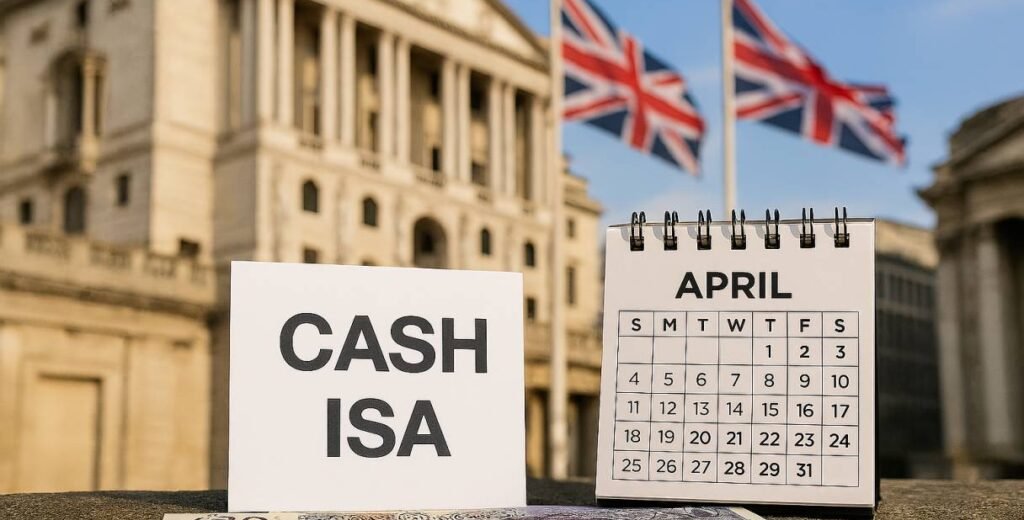
Savers must act now to fully use the £20,000 ISA allowance before the April 5 as it is a ISA Deadline 2026,and expires and cannot be carried over to the next tax year. Easter Sunday timing means bank closures over the holiday weekend (Good Friday April 3 and Easter Monday April 6), so many providers require deposits by April 1 or 2 to process in time.
The tax year ends at midnight on April 5, resetting your allowance on April 6 and any unused portion is lost forever, with no option to make it up later. Depositing now shelters more money tax-free long-term, earning higher compound interest sooner at current top rates of 4.45-4.68%.
Sites crash during last-minute rushes, and providers pull deals near deadline; acting early secures best rates amid Middle East tensions possibly hiking base rates. Once in an ISA, funds stay tax-free indefinitely, even post-changes.
Cash ISA vs Regular Savings Account
Many savers wonder whether a Cash ISA is better than a traditional savings account.
Feature Cash ISA Regular Savings Account Tax-Free Interest Yes Not always Annual Contribution Limit Yes No limit Flexible Options Available Yes Yes FSCS Protection (where eligible) Yes Yes Suitable for Long-Term Saving Yes Yes The best choice depends on your financial situation, savings goals, and expected interest earnings.
Common Cash ISA Mistakes
Waiting Until the End of the Tax Year
Many people only think about their ISA when the tax year is about to end. By contributing earlier, your money has more time to earn interest.
Focusing Only on Brand Names
A well-known bank does not always offer the most competitive rate. Comparing providers can help you get a better return.
Forgetting Old ISAs
Some savers have older ISAs earning very low interest rates. Reviewing existing accounts regularly may help improve your savings performance.
Not Understanding Access Rules
Always check withdrawal restrictions before opening a fixed-rate or notice ISA.
Example: How a Cash ISA Can Help
Imagine Emma has £20,000 in savings.
She places the full amount into a Cash ISA paying 4.5% interest.
Over one year:
- Savings balance: £20,000
- Interest earned: £900
- Tax on interest: £0
Because the money is held inside a Cash ISA, the interest remains tax-free.
Over several years, this tax-free growth can help increase the value of her savings.
Why It Matters to You
If you are under 65, the new £12,000 Cash ISA cap from April 2027 limits safe tax-free saving, forcing at least £8,000 of your £20,000 allowance into riskier stocks & shares ISAs if you want to max out. This matters because cash offers security and liquidity for emergencies or short-term goals, but the cap could expose more of your money to market ups and downs, potentially eroding value against inflation.
Tax and Security Impacts
Higher-rate taxpayers (40%) save £800+ yearly tax on £20k at 4% interest now, but post-2027, only £480 on £12k pushing risk for the rest. Over-65s keep full access for stability, recognizing retirees prioritize capital protection over growth amid rising savings taxes outside ISAs (22% basic rate from 2027).
Opportunity and Strategy Shifts
You have until April 5, 2027, to shelter £20k/year tax-free in cash, so delaying means permanent loss as transfers from investments to cash get blocked, closing loopholes. Inflation (around 2%) outpaces low savings rates long-term, so changes nudge diversification, but conservative savers face tough choices on risk tolerance
How to Act Before It’s Too Late
- Tally your allowance: Log into every ISA provider (or call them) as HMRC won’t tell you your total used. Aim for £20k across all ISAs.
- Hunt top deals: Easy-access cash ISAs shine for flexibility as Trading 212 at 4.68% AER, or fixed like 4.35% for 1-year security.
- Deposit smart: Debit card for instant; bank transfer by April 1 and do avoid cheques or slower methods.
- Special shoutouts: 18-39? Lifetime ISA gives 25% gov bonus (£1k free on £4k). Couples: Each gets £20k.
- Double-check: Providers confirm receipt by midnight April 5. If in doubt, email proof
Are Cash ISAs Safe?
Cash ISAs are generally considered one of the lower-risk savings products available.
If your provider is authorised by the appropriate UK regulator and covered by the Financial Services Compensation Scheme (FSCS), eligible deposits are protected up to the current FSCS limit per person, per authorised institution.
Before opening any account, check that the provider is authorised and covered by FSCS protection.
How to Open a Cash ISA
Opening a Cash ISA is usually straightforward.
Step 1: Compare Providers
Look at:
- Interest rates.
- Access conditions.
- Fixed or variable rates.
- Customer service and account features.
Step 2: Check Eligibility
Make sure you meet the provider’s requirements.
Step 3: Apply Online or In Branch
Most providers now allow applications online within minutes.
Step 4: Fund Your Account
Deposit money into the ISA and keep track of your annual allowance usage.
Bottom line
From April 2027, UK Cash ISA rules tighten: under-65s can only contribute up to £12,000 annually to cash ISAs (while over-65s keep the full £20,000), with transfers from stocks & shares ISAs to cash blocked to prevent loopholes, though the total ISA allowance stays at £20,000 across all types and existing balances remain fully tax-free forever. The key takeaway is to max out your £20,000 cash ISA allowance now that means before the April 5, 2026, Easter deadline and certainly by April 2027 as unused portions vanish each year, current top rates near 4.7% deliver £900+ tax-free yearly on a full pot, and this is your last chance for unrestricted cash shelter amid bank holidays and processing delays
FAQ’s on ISA Deadline 2026
When is the 2025/26 ISA deadline?
Midnight on April 5, 2026 (Easter Sunday).
Does unused allowance carry over?
No, it will not carry over.
What are the 2027 Cash ISA changes?
From April 6, 2027: Under-65s limited to £12,000 in Cash ISAs (£20,000 for 65+); total ISA allowance stays £20,000; no transfers from stocks & shares to cash for under-65s.
How do I check my allowance?
Log into providers or statements as HMRC doesn’t track totals for you.
Official Sources